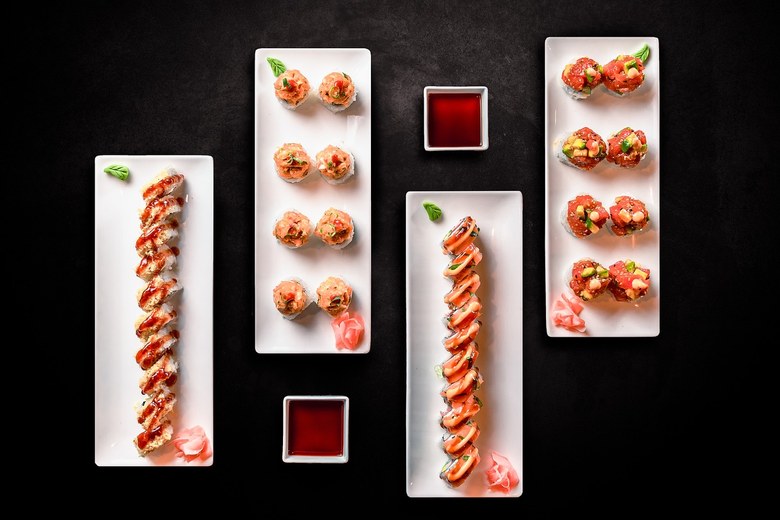
Japan is one of the world’s great food destinations. From delicate sushi and steaming bowls of ramen to sizzling street food and beautifully presented seasonal dishes, its cuisine offers seemingly endless opportunities for discovery.
But understanding Japanese food culture is about more than knowing what to order. Food in Japan is closely connected to history, geography, seasonality, tradition and everyday life. A food tour offers one of the best ways to move beyond the famous dishes and understand the culture behind them – one bite at a time.
Beyond sushi and ramen
Ask someone to name Japanese foods and sushi and ramen will probably be among the first answers. Both deserve their fame, but they represent only a small part of Japan’s culinary landscape.
Depending on where you travel, a food tour might introduce you to takoyaki, okonomiyaki, yakitori, tempura, soba, udon, wagashi or regional specialties that rarely appear on tourist menus. That’s one of the biggest advantages of exploring Japan through food: every neighbourhood and region has something different to offer.
Discover the culture behind the dishes
Japanese cuisine is officially recognized as washoku, a culinary tradition emphasizing harmony, seasonality and balance. A food tour can help explain what those ideas actually mean in practice.
You might learn why certain ingredients are associated with particular seasons, how a dish developed, or why a seemingly simple meal is prepared in a particular way. The stories behind the food often make the experience more memorable than the food itself.
A bowl of noodles becomes more interesting when you understand its regional origins. A small piece of wagashi becomes more meaningful when you learn how its shape and ingredients reflect the season.
Explore Japan’s incredible markets
Markets are among the best places to experience Japanese food culture at street level. They offer an extraordinary concentration of ingredients, aromas and local specialties. You’ll see seafood, vegetables, pickles, tea, sweets, spices and prepared foods displayed with remarkable care.
Markets also reveal something important about Japanese food culture: the emphasis placed on the quality and appearance of ingredients. A guide can help you navigate the stalls, identify unfamiliar foods and explain what locals actually buy and eat. Instead of simply walking through a market taking photographs, you’ll have a reason to stop, taste and ask questions.
Experience regional Japan
One of the great pleasures of Japanese cuisine is discovering how dramatically it changes from region to region. In Osaka, food is often associated with hearty, informal dishes such as takoyaki and okonomiyaki. The city is famous for its lively food culture and has long been associated with the idea of eating for pleasure.
In Kyoto, the culinary tradition is more closely connected with seasonality, refinement and ingredients carefully selected for their quality and appearance. In Tokyo, meanwhile, you’ll find an enormous range of cuisines and regional influences alongside dishes that have become synonymous with the capital.
A food tour gives you the opportunity to explore these differences rather than assuming that there is one single thing called “Japanese food.”
Learn how to eat like a local
Japanese dining etiquette can sometimes seem intimidating to visitors. Should you use chopsticks for everything? When should you say itadakimasu? Is it acceptable to slurp noodles? What should you do with your sushi? How does ordering work in a tiny izakaya? A local guide can make these customs feel much less complicated.
Rather than worrying about whether you’re doing something incorrectly, you can focus on enjoying the meal and understanding the customs around it. And sometimes the best lessons are the simplest ones: where to sit, what to order, how to share dishes and which seemingly ordinary neighbourhood restaurant is worth entering.
Step inside an izakaya
For many visitors, an izakaya offers one of the most authentic introductions to everyday Japanese dining. These informal establishments combine food and drinks, with menus typically featuring numerous small dishes designed for sharing. You might find grilled chicken skewers, sashimi, fried foods, tofu, vegetables and regional specialties.
The atmosphere can be lively, intimate and wonderfully informal. More importantly, izakayas show how food fits into Japanese social life. Meals aren’t always formal affairs involving carefully arranged courses. Sometimes they’re simply about meeting friends, having a drink and ordering one more plate for the table.
Japan’s food culture can take a lifetime to explore, so no food tour can reveal everything. But it can provide a window into the country’s traditions, communities and everyday life.
You’ll return to your hotel having tasted dishes you might never have ordered alone, discovered neighborhoods you might otherwise have missed and learned the stories behind some of Japan’s most important culinary traditions.