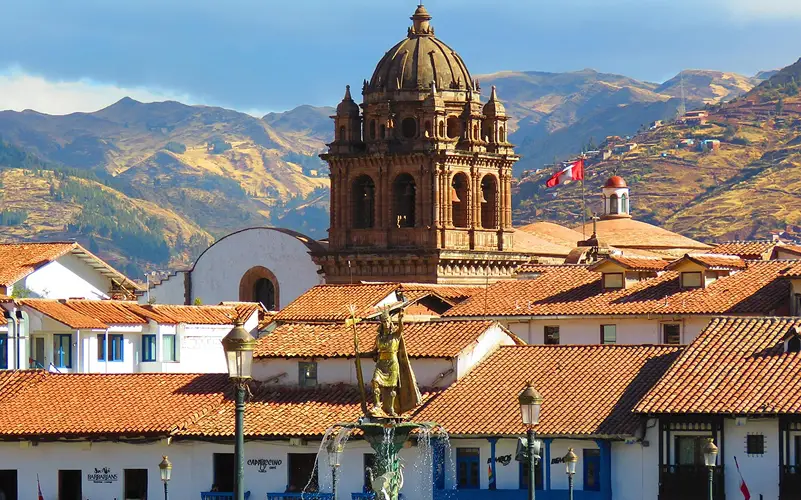
High in the Andes, where cobbled streets wind between Incan stone walls and colonial facades, Cusco reveals itself as much more than just a gateway to the iconic Machu Picchu. In recent years, this historic city has quietly cultivated a vibrant culinary identity – one that bridges Peru’s coastal flavours with highland traditions, and pairs them effortlessly with the country’s most iconic spirit, pisco.
At first glance, ceviche might seem out of place in a landlocked mountain city. After all, this quintessential Peruvian dish – fresh raw fish cured in citrus juice – is most closely associated with the coast, particularly Lima. Yet Cusco’s restaurants have embraced ceviche with gusto, thanks to daily shipments of seafood transported from the Pacific. The result is an abundance of bright, zesty plates featuring tender fish, sharp lime, red onion, and a hint of chili heat. It’s a testament to Peru’s culinary interconnectedness: geography may divide, but food unites.
Beyond ceviche, Cusco’s menus celebrate the richness of Andean ingredients. Native potatoes – of which Peru has thousands of varieties – appear in countless forms, from rustic stews to refined purées. Grains like quinoa and kiwicha add texture and depth, while local herbs and peppers lend distinctive flavour. Dishes can often feel both ancient and contemporary, rooted in centuries-old traditions yet presented with a modern sensibility.
One of the most emblematic experiences in Cusco is dining on alpaca, a lean and delicate meat that reflects the region’s pastoral heritage. Typically grilled or seared, it’s often served with native tubers and seasonal vegetables, offering a true taste of the Andes. For the more adventurous, cuy (guinea pig) remains a traditional delicacy: crispy, rich, and deeply tied to local culture.
As the food scene evolves, a new wave of chefs is redefining what it means to eat in Cusco. Drawing inspiration from Peru’s broader gastronomic movement, they are elevating local ingredients while experimenting with global techniques. The influence of the country’s culinary pioneers is evident, even here in the mountains, where innovation is increasingly part of the dining landscape.
No meal in Cusco is complete without a glass of pisco. This grape-based spirit, distilled along Peru’s southern coast, is the foundation of the beloved pisco sour—a cocktail of pisco, lime juice, sugar, egg white, and bitters. In Cusco, bars and restaurants alike take pride in their variations, from classic renditions to creative twists that incorporate local fruits and herbs. Sipping a pisco sour at altitude, with the city’s terracotta rooftops stretching out below, is an experience that lingers long after the glass is empty.
For those eager to explore further, Cusco’s markets provide an unfiltered glimpse into the region’s culinary life. Stalls brim with colourful produce, freshly prepared dishes, and the everyday rhythms of local cooking. It’s here that the connection between land, culture, and cuisine feels most immediate.
What makes Cusco such a compelling food destination is its duality. It is at once deeply traditional and quietly innovative, shaped by both its Andean roots and Peru’s broader culinary renaissance. From the bright acidity of ceviche to the smooth warmth of pisco, every bite and sip tells a story – one of history, adaptation, and enduring flavour. In a city best known for its past, Cusco’s food scene offers a delicious reminder that its present is just as worthy of attention.