Travelling solo gives you the freedom to experience a city on your own terms. But it can also make it harder to meet people, discover local favourites and feel connected to a destination. That’s where a food tour in Rome comes in.
Combining local food, neighbourhood exploration and storytelling, a food tour gives solo travellers a chance to experience the Eternal City with a knowledgeable guide and a small group of fellow travellers. From pasta and pizza to gelato and classic Roman specialities, here’s why a Rome food tour is ideal for solo travellers.
1. An easy way to meet people
One of the biggest advantages of joining a food tour as a solo traveller is the social aspect. Everyone in the group is there to explore Rome and try its food, so conversation tends to come naturally. Where are you travelling from? How long are you in Rome? What have you eaten so far?
A shared meal, or several small tastings, gives you an easy opportunity to connect without the pressure of deliberately seeking out company. You can enjoy the tour with a group, then return to exploring independently afterwards.
2. Discover a different side of Rome
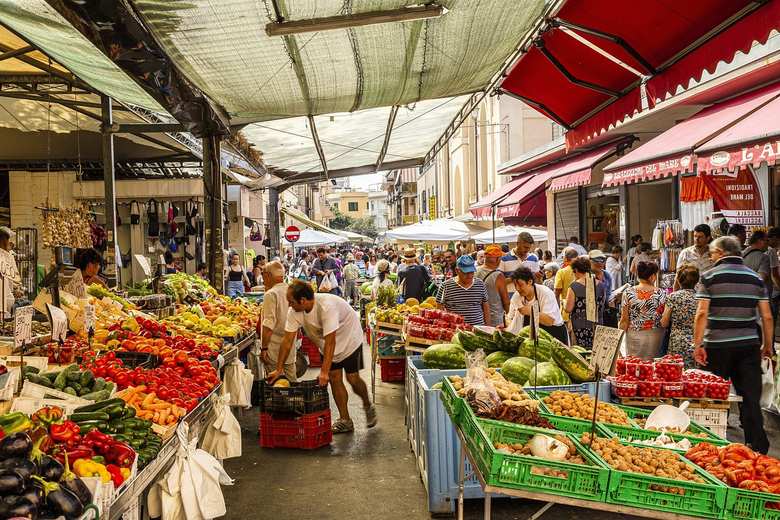
Rome’s major attractions are essential viewing, but there’s much more to the city than the Colosseum, Pantheon and Trevi Fountain. A Rome food tour can take you through neighbourhoods where locals shop, eat and socialise, offering a glimpse of everyday Roman life.
Along the way, your guide can introduce you to traditional dishes, local businesses and culinary customs, giving you a perspective on Rome that you might not get from sightseeing alone.
3. Sample more than one Roman speciality
Roman cuisine is about much more than pizza and pasta. Look out for classics such as cacio e pepe, carbonara, amatriciana and gricia, alongside street-food favourites including supplì and pizza al taglio. Then, of course, there’s the gelato.
A food tour is particularly useful for solo travellers because you can sample a range of dishes without having to order a full meal every time. Several smaller tastings mean more variety – and less food left over.
4. Get local recommendations
Choosing where to eat in a city as large as Rome can be overwhelming, particularly when you’re surrounded by restaurants competing for tourists’ attention. A local guide can take some of the guesswork out of it.
As you explore, ask for recommendations for restaurants, cafés, markets and dishes to try during the rest of your trip. You may discover somewhere you’ll want to return to for dinner or pick up a few ideas for your next day’s itinerary. Booking a food tour early in your visit makes this even more useful.
5. Learn the stories behind the food
Food is a shortcut into a city’s history and culture. A good food tour doesn’t just tell you what you’re eating. It can explain where dishes came from, how ingredients are used and why particular foods have become part of Roman life.
Why is cacio e pepe such a Roman classic? How did street food develop in the city? What makes Roman cuisine different from other Italian regional traditions? Understanding the answers can make the food you encounter for the rest of your trip even more meaningful.
6. Enjoy company without sacrificing independence
Solo travel doesn’t mean you have to spend every moment alone. A food tour gives you a few hours of shared experience without taking away the independence that makes solo travel appealing.
Spend the afternoon exploring with new acquaintances, then continue your day however you like. Visit a museum, wander through a neighbourhood, take photographs or find a quiet café — there’s nobody else’s itinerary to accommodate. It’s a simple way to add some social time to an otherwise independent trip.
A Rome food tour combines several of the things that make solo travel rewarding: independence, discovery, local knowledge and the chance to connect with other people. You’ll taste traditional Roman food, explore the city beyond its headline attractions and come away with recommendations for the rest of your trip.
So, alongside the Colosseum, the Trevi Fountain and the Pantheon, make room for another essential Roman experience. Follow your appetite, and see where it takes you!