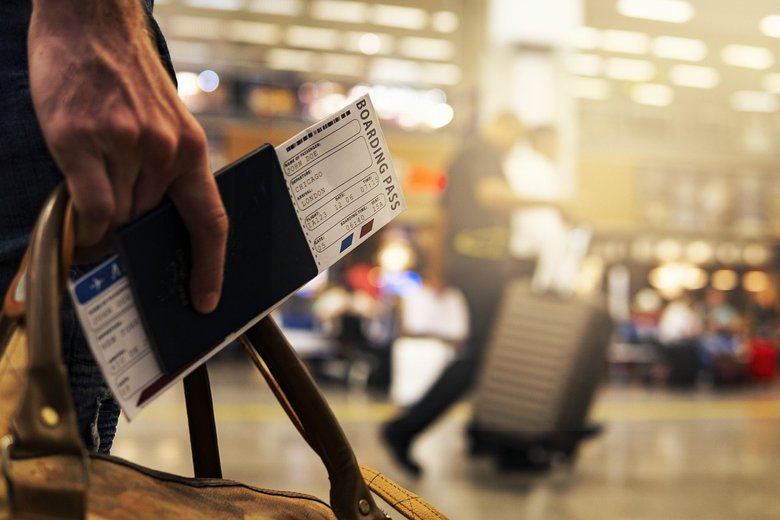
Conference travel can be intense. Between early starts, packed agendas, meetings and networking events, it’s easy to spend several days in a city without really experiencing it.
A food tour offers corporate travellers an efficient way to change that. In just a few hours, you can explore a neighbourhood, taste local specialities and learn about the destination from someone who knows it well.
Whether you’re travelling alone, with colleagues or hosting clients, here’s why a food tour deserves a place on your next conference itinerary.
Experience the city beyond the conference venue
Conference centres and business hotels can make almost every destination feel the same. A food tour gets you out into the city and into neighbourhoods where people actually live, work and eat. Rather than simply passing through a destination, you get an introduction to its local character.
Food is an especially effective way to do this because it connects naturally with history, culture and everyday life. A knowledgeable guide can explain the stories behind the dishes you’re tasting, the communities that shaped the local cuisine and the places you’re visiting.
Make the most of a busy schedule
Corporate travel rarely leaves enough time for a full day of sightseeing. You might have an evening between conference sessions or a free afternoon before your flight. A food tour can fit neatly into those gaps because the route, tastings and storytelling are already organised.
There’s no need to spend your limited free time researching restaurants or figuring out how to get between them. You simply arrive, follow the guide and experience the city.
Turn networking into a shared experience
Conference networking can sometimes feel formal or transactional. Food changes the dynamic. Walking through a neighbourhood and sharing several tastings gives colleagues, clients and business partners something to discuss beyond work. It’s a more relaxed setting for conversations and relationship-building.
For colleagues travelling together, a food tour can also work as an informal corporate team-building activity. Rather than adding another meeting to the schedule, you’re giving the group an experience they can enjoy together.
Give clients and partners a memorable experience
If you’re hosting an important client during a conference, dinner is an obvious option. But it isn’t your only one. A private food tour can introduce visitors to the destination while giving everyone plenty of opportunities to talk.
Instead of spending the entire evening at one table, your group can explore a neighbourhood, visit several food businesses and discover local specialities. For someone visiting the city for the first time, that can be considerably more memorable than another meal in a hotel restaurant.
Get recommendations for the rest of your trip
A food tour can also provide useful local intelligence. Your guide may point you towards a restaurant, market, café or neighbourhood that you wouldn’t have discovered on your own. If you’re staying beyond the conference, those recommendations can help fill your remaining evenings.
For business travellers who don’t have time to research the destination extensively, advice from someone who lives there can be especially useful.
Why food works for corporate groups
Food is an easy common ground for an international group. Conference attendees may come from different countries, industries and professional backgrounds, but everyone can participate in a tasting and share their reactions.
Trying something unfamiliar also creates natural conversation – particularly when the guide explains the story behind it. That makes food tours a useful option for mixed groups where you want an activity that doesn’t depend on a particular hobby or interest.
A conference may be the reason you’re visiting a city, but it doesn’t have to be the only thing you experience there. A food tour makes efficient use of limited free time while offering something genuinely different from the conference schedule. You can explore, eat, learn and connect with colleagues or clients without adding another formal event to the itinerary.
So when you’re planning your next business trip, don’t just look at what’s happening inside the conference centre. Look at what’s happening outside it – preferably somewhere with good food!