Manchester has long been celebrated for its music, football and industrial heritage. But spend a little time exploring the city with an appetite and another side of Manchester quickly emerges: a diverse, ambitious and endlessly entertaining food scene.
The city’s famous Curry Mile remains one of its culinary landmarks, but stopping there would mean missing much of what makes Manchester such an exciting destination for food lovers. From South Asian restaurants and Middle Eastern bakeries to independent cafés, modern British dining and bustling food halls, Manchester’s culinary identity reflects the communities that have made the city their home.
For visitors, the best way to understand Manchester may be to eat your way through it.
Start with the Curry Mile
Stretching along Wilmslow Road through Rusholme, the affectionately-dubbed “Curry Mile” is perhaps Manchester’s most famous food destination.
Despite its name, the area offers much more than curry. Its restaurants represent the culinary traditions of South Asia and the Middle East, with Pakistani, Indian, Bangladeshi, Afghan and other influences contributing to the area’s famously colourful food landscape.
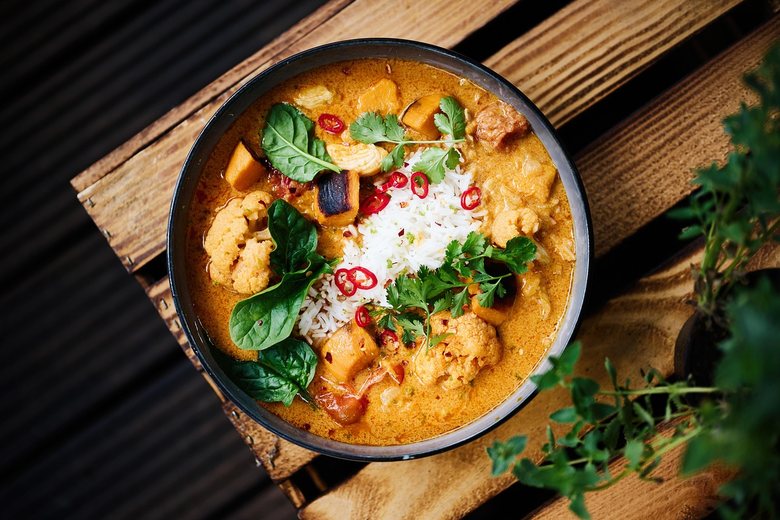
You can find everything from sizzling kebabs and biryanis to naan breads, curries, grilled meats and sweet treats. Many restaurants are particularly well suited to sharing, making the Curry Mile an ideal place to arrive hungry and order a table full of dishes.
Part of the appeal is the atmosphere. Brightly lit restaurants, bakeries, takeaways and cafés line the street, creating a food-focused neighbourhood that feels energetic well into the evening.
Manchester’s modern food scene
Beyond its traditional restaurants, Manchester has developed a thriving contemporary food scene, and the Northern Quarter is one of the best places to explore it. The neighbourhood is known for its independent spirit, and its cafés, bars and restaurants reflect that personality. Here you’ll find everything from brunch spots and specialty coffee shops to vegetarian restaurants, contemporary British cooking and globally inspired menus.
The city centre’s dining scene has also become increasingly sophisticated, with chefs using high-quality regional produce while taking inspiration from cuisines around the world. Manchester may have a strong industrial past, but its food culture is anything but stuck in the past.
Food halls: Manchester’s ultimate grazing experience
For indecisive food lovers, Manchester’s food halls are a dream. Places such as Mackie Mayor bring together multiple independent food businesses under one roof, allowing groups to order completely different dishes while still eating together.
It’s an excellent format for discovering the city’s culinary diversity. One person can order pizza, another can choose Asian-inspired street food, while someone else goes for a burger or dessert. Food halls also capture something important about Manchester’s contemporary food culture: it is social, informal and unafraid to experiment.
Don’t overlook Manchester’s café culture
Manchester has developed an impressive specialty coffee and independent café culture, particularly in neighbourhoods such as the Northern Quarter, Ancoats and Chorlton.
Spend a morning exploring independent cafés and bakeries, and you’ll find everything from carefully prepared espresso to sourdough, pastries and creative brunch dishes. For visitors, this is a great way to slow down and experience the city between bigger food stops.
Head beyond the city centre
One of the best ways to understand Manchester’s food culture is to venture beyond the obvious tourist areas. Chorlton has a strong independent food scene, with cafés, pubs and restaurants reflecting the neighbourhood’s relaxed, community-oriented character.
Ancoats, meanwhile, has transformed dramatically in recent years, developing into one of the city’s most exciting areas for restaurants, bars and cafés. And in Levenshulme, you’ll find a wonderfully eclectic mix of international food businesses, markets and independent venues.
The Curry Mile may be Manchester’s best-known culinary landmark, but it is really just the starting point. The city’s food scene tells a much bigger story: one of migration, industrial growth, cultural exchange, entrepreneurship and reinvention.
Manchester is a city where generations-old recipes sit alongside experimental new restaurants; where a traditional pub can exist around the corner from a Middle Eastern bakery; and where food halls, markets and independent cafés provide endless opportunities to try something new.