Golden beaches, winding stone alleyways, and endless Mediterranean sunshine may lure travellers to Palma de Mallorca, but it’s the island’s culinary scene that keeps many coming back. Long overshadowed by mainland Spanish hotspots such as Barcelona and San Sebastián, Mallorca’s capital has quietly evolved into one of the Mediterranean’s most exciting gastronomic.
From bustling food markets and seaside seafood grills to Michelin-starred tasting menus and family-run bakeries perfumed with almond and citrus, Palma offers a culinary experience steeped in local identity and shaped by centuries of Mediterranean influence.
A city built around Mediterranean flavours
Mallorcan cuisine is characterised by its simplicity and seasonality. Olive oil, tomatoes, garlic, seafood, citrus fruits, almonds, and pork form the backbone of many dishes, while the island’s geography provides fertile ground for vineyards, orange groves, and fishing communities.
Unlike some mainland Spanish cuisines, Mallorcan food leans heavily into hearty rural traditions. Dishes are often rustic, generous, and designed to showcase local ingredients rather than overwhelm them with elaborate techniques.
At the centre of this culinary identity is the concept of “mar i muntanya” (“sea and mountain”); a philosophy reflected in menus that combine fresh seafood with inland produce and cured meats.
Start at the markets
No culinary tour of Palma is complete without a stroll through the city’s historic food markets. These lively spaces offer a snapshot of everyday island life, where chefs, locals, and visitors browse among stalls piled high with ruby-red prawns, cured sausages, olives, cheeses, and seasonal vegetables.
The most famous is Mercat de l’Olivar, located just steps from the old town. Inside, visitors can sample oysters with cava, order tapas at standing counters, or pick up slices of jamón ibérico alongside local Mallorcan cheeses.
Meanwhile, Mercat de Santa Catalina in Palma’s trendy Santa Catalina district has become a hotspot for younger chefs and food lovers. Surrounded by stylish cafés and wine bars, the market blends traditional produce vendors with contemporary food stalls serving everything from sushi to gourmet croquetas.
For many visitors, these markets provide the perfect introduction to Mallorcan cuisine: informal, social, and deeply connected to the island’s ingredients.
Essential Mallorcan dishes
Palma’s restaurants range from humble taverns to fine-dining institutions, but a handful of classic dishes appear almost everywhere.
One of the island’s most iconic specialties is sobrasada, a soft, paprika-rich cured sausage with Moorish roots. Spread over rustic bread or melted into savoury dishes, it delivers a smoky, intensely flavourful taste unique to the Balearic Islands.
Another local staple is pa amb oli: thick slices of country bread rubbed with tomato and olive oil, then topped with cheese, cured meats, or anchovies. Though deceptively simple, the dish perfectly captures the Mediterranean approach to dining: high-quality ingredients treated with minimal interference.
Seafood lovers should seek out caldereta de langosta, a luxurious lobster stew traditionally associated with nearby Menorca but increasingly popular across Mallorca. Fresh squid, grilled octopus, and scarlet Mediterranean prawns also feature heavily on coastal menus.
Then there is tumbet, Mallorca’s answer to ratatouille – a comforting layered dish of fried eggplant, potatoes, peppers, tomatoes, and garlic that reflects the island’s agricultural heritage.
And no visit would be complete without trying an ensaimada. This spiral-shaped pastry, dusted generously with powdered sugar, has become Mallorca’s most recognizable sweet treat. Bakeries across Palma produce versions filled with cream, chocolate, or pumpkin jam, though many locals insist the classic plain version remains unmatched.
Dining by the sea
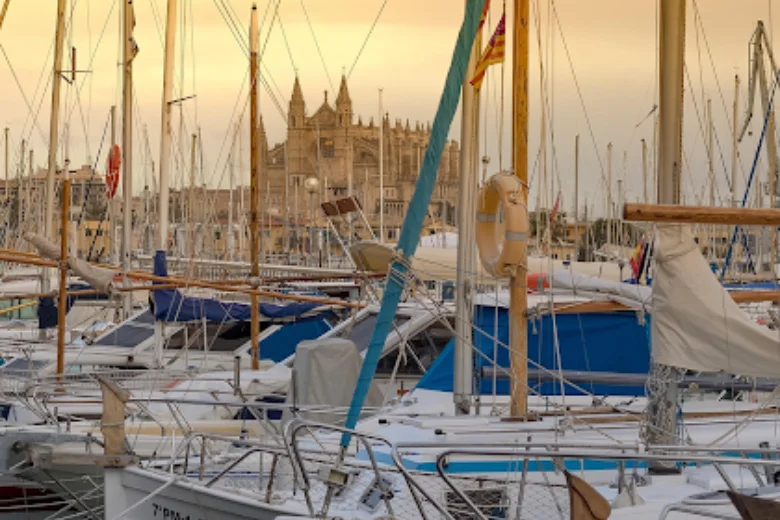
Part of Palma’s culinary magic lies in its setting. Waterfront restaurants line the marina, where diners can enjoy grilled fish and chilled white wine while watching sailboats drift across the Bay of Palma.
As evening falls, the city’s golden sandstone buildings glow in the Mediterranean light, creating an atmosphere that feels almost cinematic. Meals unfold slowly outdoors beneath palm trees and centuries-old balconies, accompanied by sea breezes and the hum of conversation.
While Mallorca may still be known internationally for its beaches and summer resorts, Palma has firmly established itself as one of southern Europe’s most rewarding culinary cities. Its appeal lies in contrasts: humble taverns beside Michelin-starred dining rooms, ancient recipes alongside modern experimentation, bustling markets framed by elegant Gothic architecture.
For food lovers, Palma de Mallorca is a destination where Mediterranean culture comes alive through every glass of wine, every seafood platter, and every lingering meal shared beneath the Balearic sun.