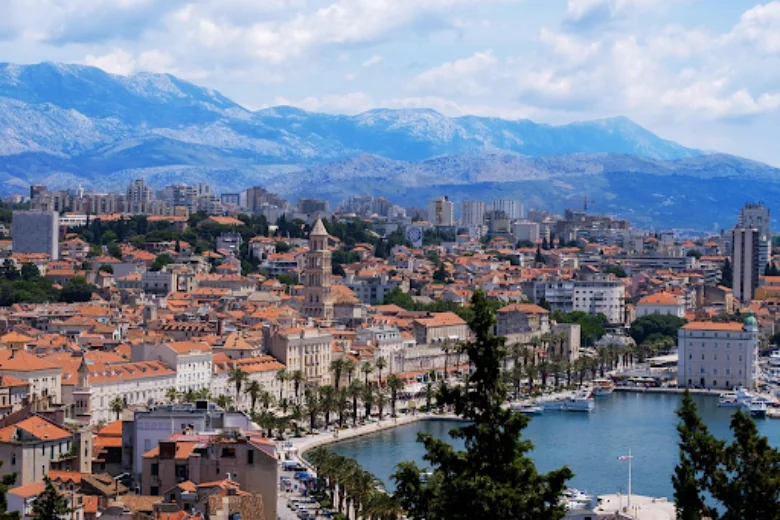
Split is best known for its spectacular Adriatic coastline, Roman history, and the centuries-old walls of Diocletian’s Palace. But beyond the city’s sun-soaked waterfront and historic streets lies another compelling reason to visit: its exceptional food.
As the largest city on Croatia’s Dalmatian Coast, Split offers a cuisine shaped by the sea, Mediterranean ingredients, and generations of family traditions. As we’ll see in this article, fresh seafood, locally produced olive oil, seasonal vegetables, aromatic herbs, and slow-cooked meats all play an important role in Dalmatian cooking, creating dishes that are both simple and deeply flavourful.
Fresh seafood is the star
With the Adriatic Sea on its doorstep, it’s no surprise that seafood plays a central part in Split’s culinary identity.
Restaurants receive daily catches of sea bass, sea bream, squid, octopus, sardines, anchovies, mussels, and prawns, many of which are simply grilled over charcoal with olive oil, garlic, parsley, and a squeeze of lemon. The emphasis is on freshness rather than elaborate preparation, allowing the quality of the ingredients to shine.
Many restaurants display the day’s catch for guests to choose before it’s prepared, making every meal feel personal and connected to the sea.
Try pašticada, Dalmatia’s signature dish
No traditional Dalmatian food tour would be complete without trying pašticada. This slow-cooked beef stew is one of Croatia’s most celebrated dishes. The beef is marinated before being braised for hours with red wine, vegetables, herbs, dried fruit, and spices, creating an incredibly rich and tender meal.
Pašticada is traditionally served with homemade gnocchi, allowing the pillowy potato dumplings to soak up the deeply flavourful sauce. While often reserved for celebrations and family gatherings, many restaurants in Split proudly feature it year-round.
Discover black risotto
One of the Adriatic’s most distinctive dishes is crni rižot, or black risotto. Its striking colour comes from squid or cuttlefish ink, while the dish itself combines tender seafood with rice, garlic, onions, white wine, olive oil, and herbs. The result is rich, savoury, and intensely flavoured without feeling heavy.
Black risotto has become a signature of Croatia’s coastal cuisine and is widely considered a must-try for seafood lovers visiting Split.
Sample octopus prepared the traditional way
Octopus appears throughout Dalmatian cuisine, but one preparation stands above the rest: octopus cooked under a peka.
A peka is a traditional bell-shaped iron lid placed over meat or seafood alongside potatoes and vegetables before being covered with hot embers. The slow cooking process gently roasts the ingredients, producing exceptionally tender octopus infused with herbs, garlic, olive oil, and its own natural juices.
Because peka dishes require several hours to prepare, many restaurants ask guests to order them in advance.
Enjoy the flavours of the Mediterranean
Dalmatian cuisine celebrates simplicity. Rather than relying on heavy sauces, chefs highlight fresh olive oil, rosemary, bay leaves, sage, oregano, garlic, tomatoes, and seasonal vegetables. Swiss chard, often served alongside fish with boiled potatoes, remains one of the region’s most beloved side dishes. These ingredients reflect Split’s Mediterranean climate and centuries-old agricultural traditions.
Split’s culinary scene is every bit as rewarding as its famous beaches and ancient landmarks. Rooted in centuries of Mediterranean tradition, Dalmatian cuisine celebrates fresh seafood, slow-cooked classics, exceptional olive oil, and ingredients sourced from both the sea and the surrounding countryside.
Whether you’re lingering over a seafood lunch on the Riva waterfront, sharing pašticada in a cosy konoba, or enjoying octopus cooked under a peka, every meal offers a deeper connection to the history and culture of Croatia’s Dalmatian Coast.