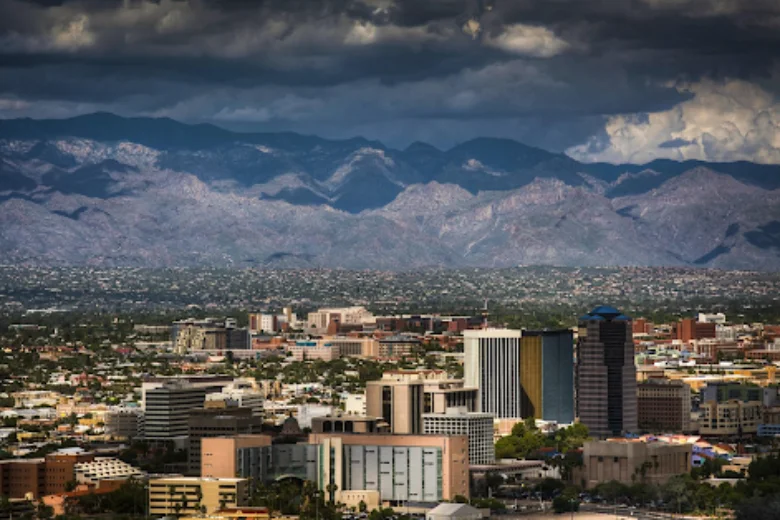
Tucson doesn’t always appear alongside cities like New York, Chicago, New Orleans, or San Francisco when people discuss America’s greatest food destinations. But those who make the journey to the Sonoran Desert in the heart of Arizona quickly discover one of the country’s richest and most distinctive culinary scenes.
As the first city in the United States to be recognised as a UNESCO Creative City of Gastronomy, Tucson has thousands of years of agricultural history, a unique blend of Native American, Mexican, and Southwestern traditions, and a growing collection of innovative chefs who celebrate local ingredients. Rather than chasing trends, Tucson’s food culture is deeply rooted in place, making it one of the most authentic and underrated food cities in America.
A culinary history unlike anywhere else
Food has shaped life in the Tucson region for more than 4,000 years. Long before Arizona became a state, Indigenous communities cultivated crops using sophisticated desert farming techniques, many of which continue to influence local cuisine today.
The arrival of Spanish settlers and later Mexican influences added new flavours, ingredients, and cooking traditions, creating a culinary identity that can’t easily be found elsewhere in the United States. Today’s restaurants continue to build on that heritage, combining centuries-old recipes with modern techniques and locally sourced produce.
The Sonoran hot dog: a local icon
Every great food city has its signature dish, and in Tucson, it’s the Sonoran hot dog. Wrapped in bacon and served in a soft bolillo-style bun, the hot dog is typically topped with pinto beans, onions, tomatoes, mustard, mayonnaise, jalapeño sauce, and salsa. While it may sound unconventional, the combination is perfectly balanced and has become one of Arizona’s most beloved street foods.
You’ll find Sonoran hot dogs everywhere, from roadside carts and family-run stands to dedicated restaurants, making them an essential stop on any Tucson food tour.
Mexican food that reflects generations of tradition
Thanks to its proximity to the Mexican border, Tucson offers some of the most authentic Mexican food in the United States.
Instead of focusing on Tex-Mex staples, many local restaurants highlight regional Mexican cooking, serving handmade tortillas, slow-cooked barbacoa, birria, carne asada, tamales, pozole, and fresh seafood dishes inspired by neighbouring Sonora.
Family-owned restaurants, many passed down through generations, remain at the heart of Tucson’s dining scene and continue to preserve recipes that have shaped the city’s culinary identity.
Local ingredients define every season
One of Tucson’s greatest strengths is its connection to the surrounding desert. Chefs regularly feature native ingredients such as tepary beans, mesquite flour, prickly pear fruit, cholla buds, squash, chiltepin peppers, and locally grown heritage grains.
These ingredients have sustained communities for centuries and now appear in everything from fine dining tasting menus to artisan bakeries and cocktails. This emphasis on regional produce gives Tucson a flavour profile unlike any other American city.
Farm-to-table with a desert twist
While farm-to-table dining has become common across the country, Tucson offers its own unique interpretation. Restaurants work closely with nearby farms and producers to create seasonal menus that reflect the Sonoran Desert’s surprisingly diverse agriculture. Fresh vegetables, locally raised meats, artisan cheeses, and desert botanicals frequently take centre stage.
Rather than importing ingredients from elsewhere, many chefs see the surrounding landscape as their pantry.
An exciting mix of old and new
One of Tucson’s biggest strengths is the diversity of its food scene. Traditional taquerias sit alongside contemporary restaurants serving inventive Southwestern cuisine. Historic diners share neighbourhoods with artisan coffee roasters, modern breweries, wood-fired bakeries, and chef-led tasting menus.
The city also has a thriving food truck culture, offering everything from gourmet tacos and barbecue to handmade pastries and international street food.
While cities like New York, Austin, Portland, and New Orleans continue to dominate conversations about American food, Tucson quietly offers something many larger destinations cannot: a cuisine that is truly rooted in its geography and history.
If you’re searching for America’s next great food destination, don’t overlook the Sonoran Desert. Tucson may just be the nation’s most underrated food city.