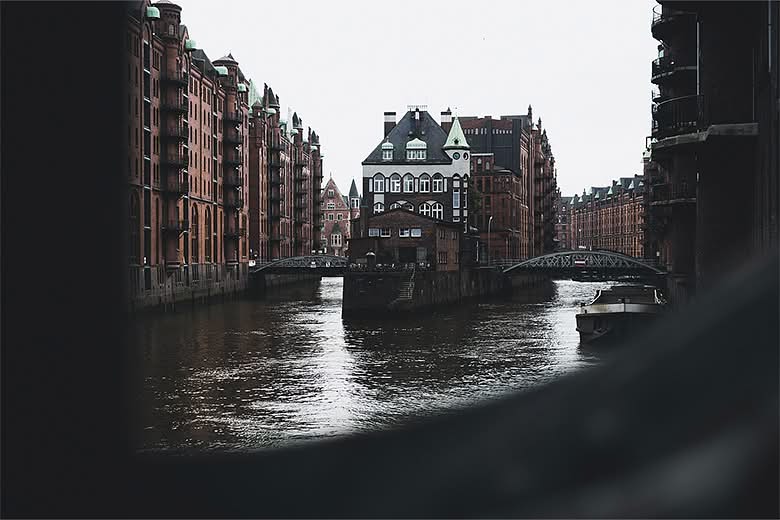
Hamburg is often introduced through its classics: fish sandwiches on the Landungsbrücken, Franzbrötchen with morning coffee, or hearty meals served near the harbour. But beyond these well-trodden staples lies a food scene shaped by migration, reinvention and a quiet obsession with quality.
As we will see in this article, to uncover Hamburg’s hidden culinary side is to move away from postcard views of the Elbe and into neighbourhoods where chefs, bakers and food artisans are rewriting what the city tastes like today.
Ottensen: where neighbourhood cooking thrives
Just west of the city centre, Ottensen feels more like a village than a district. Its food scene is built around small, independently run spots where seasonal cooking and personal stories take centre stage. Here, menus change weekly, chalked up by hand, and chefs draw inspiration from nearby markets rather than global trends. You’ll find intimate bistros serving refined takes on German comfort food alongside wine bars that double as neighbourhood living rooms. It’s a place where locals linger and visitors quickly feel at home.
Wilhelmsburg’s global kitchens
Cross the Elbe and Hamburg’s diversity becomes impossible to ignore. Wilhelmsburg, long overlooked by visitors, is one of the city’s most exciting food frontiers. Turkish bakeries sit next to Middle Eastern grill houses, West African cafés and Asian noodle counters, often family-run and fiercely authentic. The food here reflects the district’s multicultural roots, offering flavours that rarely appear on mainstream menus. Eating in Wilhelmsburg means following aromas, queues and local recommendations.
Sternschanze after dark
By day, Sternschanze is known for street art, independent shops and a youthful buzz. By night, its backstreets reveal a more discreet culinary energy. Hidden behind unmarked doors are experimental kitchens, late-night ramen bars and minimalist eateries where chefs test ideas before they reach wider audiences. Some specialise in small plates designed for sharing; others focus obsessively on one dish, perfected over years. The atmosphere is casual, but the cooking is anything but.
Altona’s quiet bakeries and roasteries
Hamburgers take bread and coffee seriously, and some of the city’s best examples remain surprisingly under the radar. In Altona, early mornings reveal bakeries producing slow-fermented sourdoughs and pastries inspired by Scandinavian and Central European traditions. Nearby, micro-roasteries serve carefully sourced beans, often roasted on site. These are places where regulars know the bakers by name and where quality, not hype, defines success.
Markets as culinary laboratories
Hamburg’s markets are more than places to shop; they’re where trends quietly begin. Smaller markets in districts like Eimsbüttel or St. Pauli showcase local producers experimenting with plant-based spreads, artisanal cheeses and fermented products. Street food stalls here often double as test kitchens for future brick-and-mortar restaurants, making the markets ideal spots to sample what’s coming next.
A city best explored bite by bite
Uncovering Hamburg’s hidden food scene requires curiosity rather than a checklist. It’s about straying from central districts, trusting neighbourhood energy and being open to meals that don’t come with English menus or social media fame. In return, the city reveals a culinary identity that’s layered, international and deeply local at the same time.
Hamburg may not shout about its food culture, but for those willing to listen- and taste – it speaks volumes.