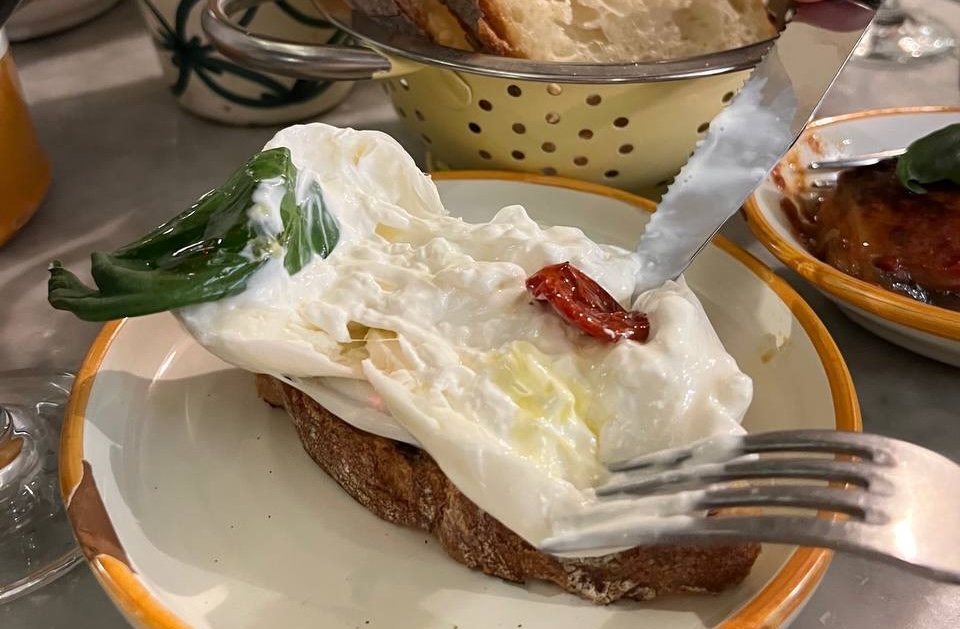
Milan is often associated with fashion, finance, and design, while food tends to be treated as something quietly reliable rather than showy. Eating here follows familiar rhythms shaped by work schedules, habits, and long-standing routines. Meals fit neatly into the day, and locals tend to value consistency and quality over passing trends. A Food Tour Milano offers a practical way to understand how food actually functions in everyday life rather than how it appears on a menu.
Northern Italian cuisine often surprises visitors. Butter appears more frequently than olive oil, and rice holds as much importance as pasta, thanks to local farming traditions. Cheeses, cured meats, and slow-cooked dishes remain staples, shaped by climate, geography, and methods that have changed little over time.
As Milan grew, people arrived from every part of Italy, bringing their regional food traditions with them. What began as home cooking gradually made its way into bakeries, cafés, and neighborhood restaurants. Over time, these dishes became part of daily eating, blending into the city’s routine without much fanfare.
For this reason, food in Milan is best explored at a neighborhood level. A Food Tour Milano typically focuses on specific areas rather than individual restaurants, since small places and everyday habits often reveal more than famous dining rooms. In a city like this, guided tastings feel natural rather than staged.
The Rhythm of Milan: Fast-Paced, Stylish, and Grounded
Life in Milan moves quickly, especially during the workweek. Offices, studios, shops, and workshops shape the tempo of the day, and meals fit into clearly defined moments. Breakfast is usually light and efficient, often taken standing at a café counter. Lunch happens without lingering, while dinner becomes the point when people finally slow down and reconnect.
Cafés fill early in the morning and again in the late afternoon. Aperitivo signals a shared pause between work and evening plans, with drinks served alongside small bites and easy conversation. Many locals return to the same places day after day, building routines around familiar faces and trusted counters.
Although style plays an undeniable role in Milan’s image, comfort tends to matter more in daily life. Many restaurants look understated from the street and are easy to miss. Inside, the focus stays on food, timing, and service rather than formality. This keeps eating out relaxed and approachable rather than intimidating.
Exploring food through neighborhoods helps visitors see this everyday side of the city — how people eat on ordinary days, not just on special occasions.
Navigli: Milan’s Canal District with a Culinary Heart
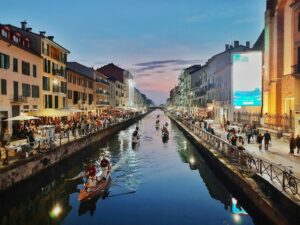
Navigli developed around a network of canals originally built for transport and trade. For centuries, these waterways connected Milan to nearby rivers and towns, carrying stone, grain, and other goods in and out of the city. Daily life formed around this movement, shaping where people worked, lived, and gathered.
As trade declined, the canals took on a different role. Workshops, homes, and small food businesses gradually settled along the water. Even as other areas modernized, Navigli remained active. After work, people continued to gather here to eat, drink, and spend time together, preserving long-standing routines.
Food still defines the neighborhood today. Bakeries, trattorias, cafés, and casual eateries sit close together, many serving the same families for generations. Menus reflect local Milanese cooking alongside dishes from other Italian regions. Regular customers return week after week, often ordering the same favorites.
The layout encourages walking and tasting without pressure. Stops feel naturally connected, allowing visitors to slow down and notice details. This easy rhythm makes Navigli especially well suited for food-focused exploration.
Why Navigli Works So Well for a Food Tour Milano
Navigli’s compact layout and relaxed pace make it ideal for a walking food tour. The neighborhood is easy to navigate on foot, with short distances between stops that remove any sense of rushing. This allows guests to focus on the food itself while still having time to listen, ask questions, and reset between tastings. The experience feels unhurried, matching the natural rhythm of the area rather than forcing a tight schedule.
The neighborhood also reflects how Milan eats today, not how it presents itself to visitors. Traditional local dishes appear alongside foods from southern Italy, served casually and without ceremony. This balance didn’t appear overnight. It developed gradually as people settled in the area, opened small businesses, and shared their cooking habits with neighbors, coworkers, and regular customers. Over time, these dishes became familiar, everyday choices rather than regional curiosities.
Exploring Navigli with a local guide adds depth to each stop. Recipes, preparation methods, and daily routines come into focus, helping guests understand not just what they are eating, but why it appears in this part of the city. Guides explain when locals usually eat certain foods, how menus change throughout the day, and how tradition and practicality shape what ends up on the table. Having someone lead the experience also removes uncertainty, creating a smooth and relaxed flow where each tasting follows a clear and natural progression.
Food, History, and Migration on One Plate
Milan changed rapidly over the last century as industry expanded and job opportunities multiplied. Factories, offices, and construction sites drew workers from across Italy, many of whom arrived expecting their stay to be temporary. For a large number of families, however, short stays slowly turned into permanent lives built in the city.
As these new residents settled in, they brought their food with them. Cafés, bakeries, and small eateries began to reflect regional traditions from the south as well as the north. At first, these dishes served mainly local communities, but over time they spread into everyday eating across the city. Foods from Sicily, Campania, and Puglia gradually became familiar, appearing on menus and kitchen tables alongside Milanese staples.
Navigli shows this evolution clearly. Menus often include several regions without feeling curated or staged, reflecting the way the neighborhood actually developed. Locals accept this variety as a normal part of daily choice rather than something that needs explanation. It feels organic, shaped by decades of movement, work, and shared meals.
Tasting food in this area offers insight into how Milan adapted and grew. Each dish reflects a layer of history, showing how migration, routine, and community shaped what the city eats today.
What Makes Navigli a Must-Visit for Food Lovers
Many food-focused travelers look for more than a single restaurant visit. They want context, variety, and a clearer understanding of how locals actually eat on a daily basis. There is also a growing interest in learning why certain foods belong to specific neighborhoods and how eating habits change from one area to another.
Navigli offers all of this within a walkable, lived-in setting that feels active throughout the day. Moving between stops creates space to observe street life, shop windows, and the steady flow of locals heading to familiar places. These small details help explain how food fits into Milanese life and why certain spots remain busy year after year.
A guided food tour brings structure and clarity to this experience. A Food Tour Milano connects dishes to places and habits, explaining how traditions adapt over time rather than remaining fixed. Guests learn how locals order, when they eat particular foods, and how daily schedules influence menus. By the end of the tour, visitors leave with practical knowledge they can use throughout the rest of their stay, along with the confidence to continue exploring on their own.
Highlights of Our Food Tour Milano
Secret Food Tours offers a guided experience in Milan that focuses on everyday eating rather than formal dining. This Food Tour Milano follows a route through Navigli, highlighting how locals eat throughout the day and how different foods fit into daily routines.
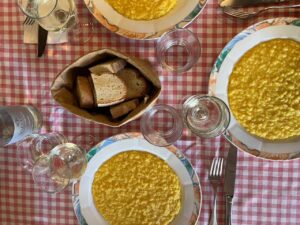
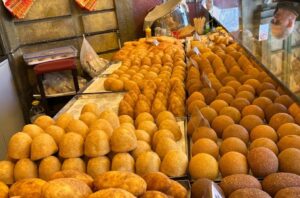
Early tastings often include arancina, a Sicilian specialty that became common in Milan through migration and regular use. It offers a clear example of how southern food traditions blended naturally into the city’s culinary landscape. Risotto follows, the dish most closely associated with Milan, accompanied by insights into rice farming, cooking methods, and local preferences. Cheese tastings include mascarpone, a staple ingredient that appears frequently in both desserts and home cooking.
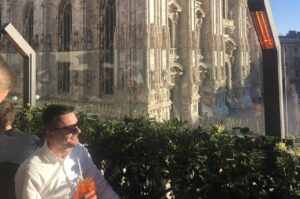
Later stops introduce panzerotti from Apulia and coffee prepared in the Neapolitan style, reflecting the influence of southern regions on Milan’s everyday food culture. The tour typically ends with a sweet treat near the Duomo, along with a Secret Dish. Drinks are included throughout the experience, with the option to add more along the way.
Book Your Food Tour Milano and Experience Navigli Like a Local
Navigli offers a clear window into everyday eating in Milan. Its streets, cafés, and kitchens reflect how the city functions on a daily basis.
Joining a food tour makes this experience easy to access. Small groups, local guides, and thoughtfully planned tastings keep the pace comfortable and engaging.
Booking a Food Tour Milano allows visitors to enjoy great food without stress or planning. For many, it becomes a simple and enjoyable way to eat well, learn, and feel genuinely connected to local life.